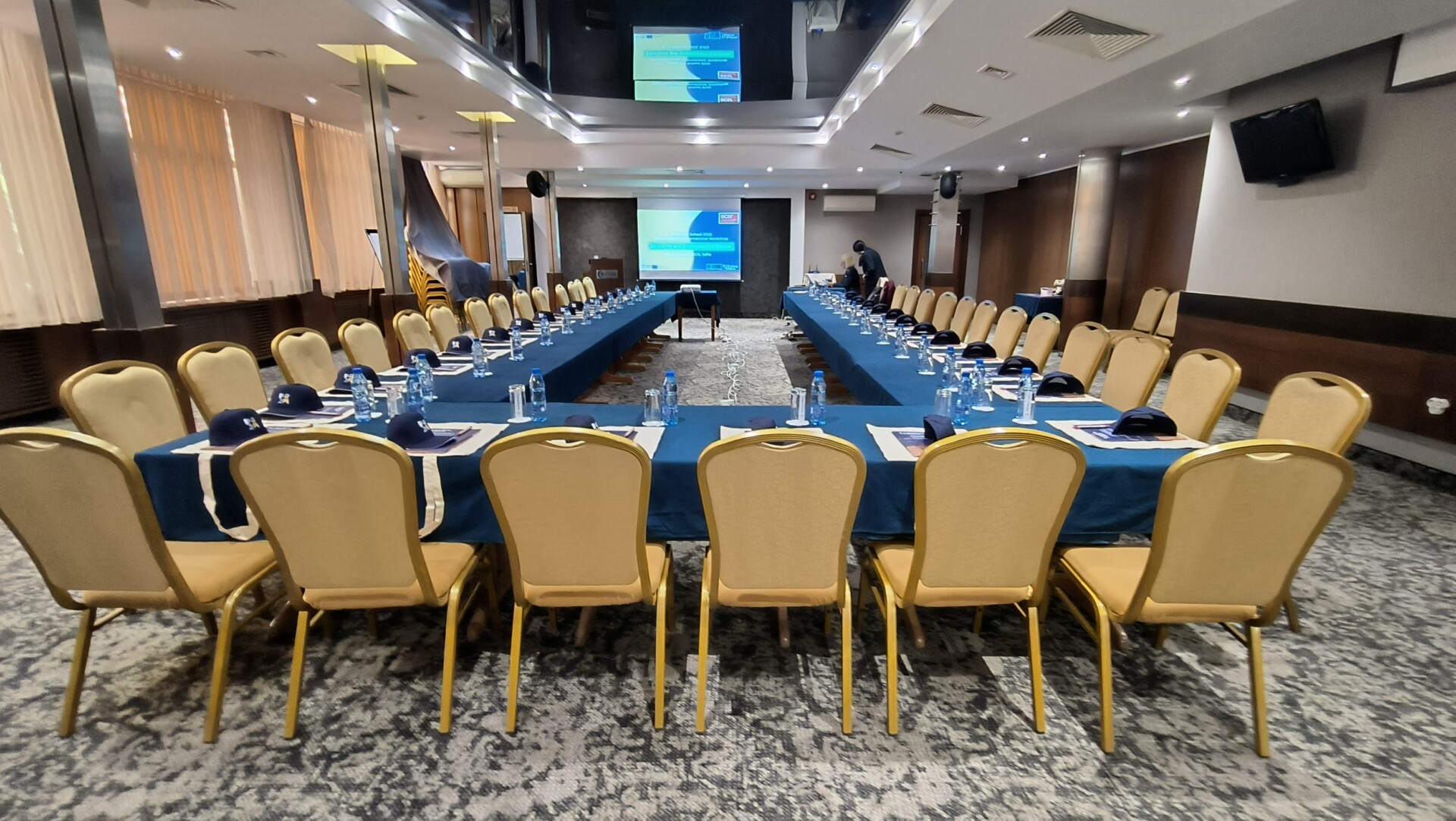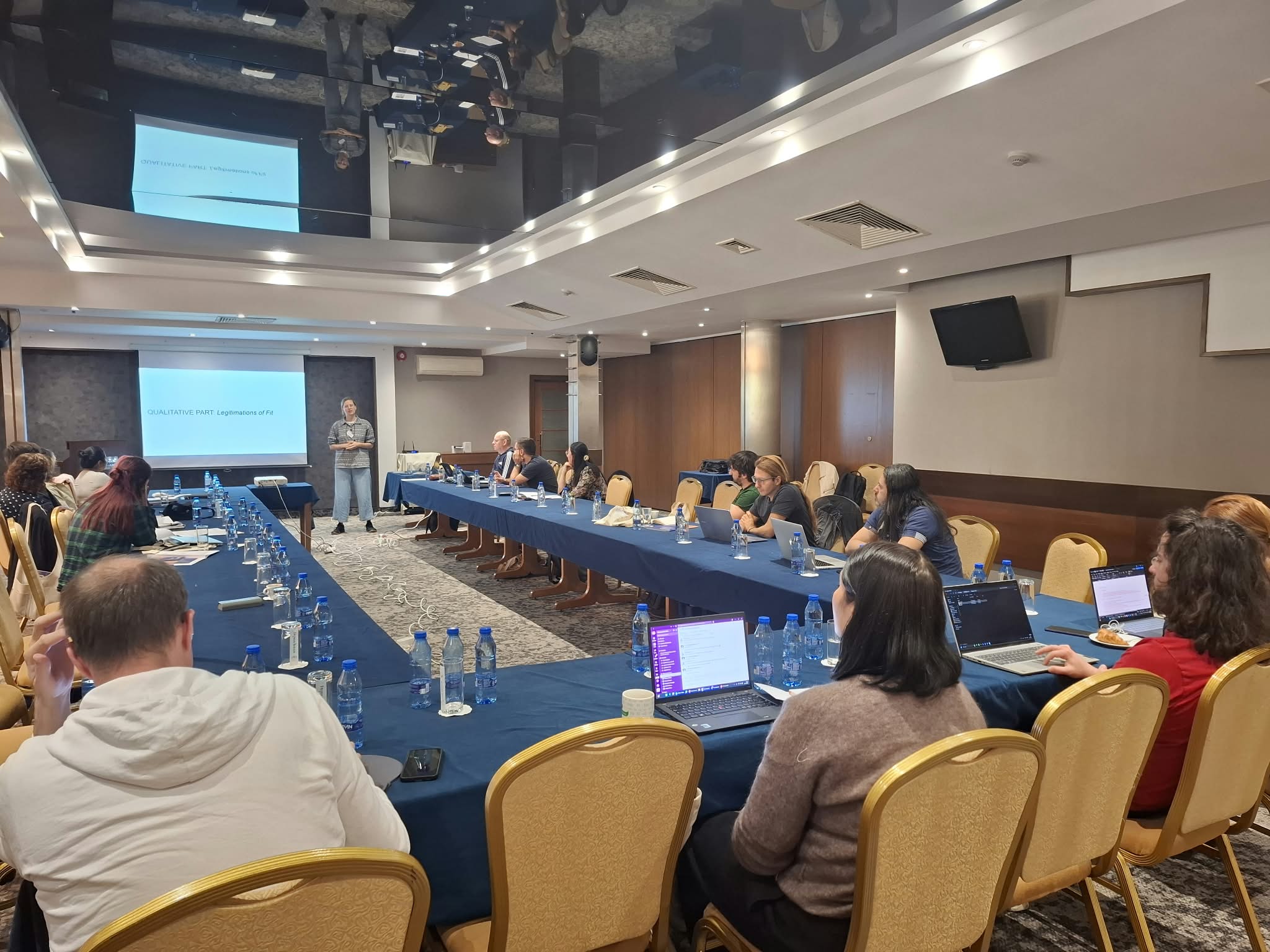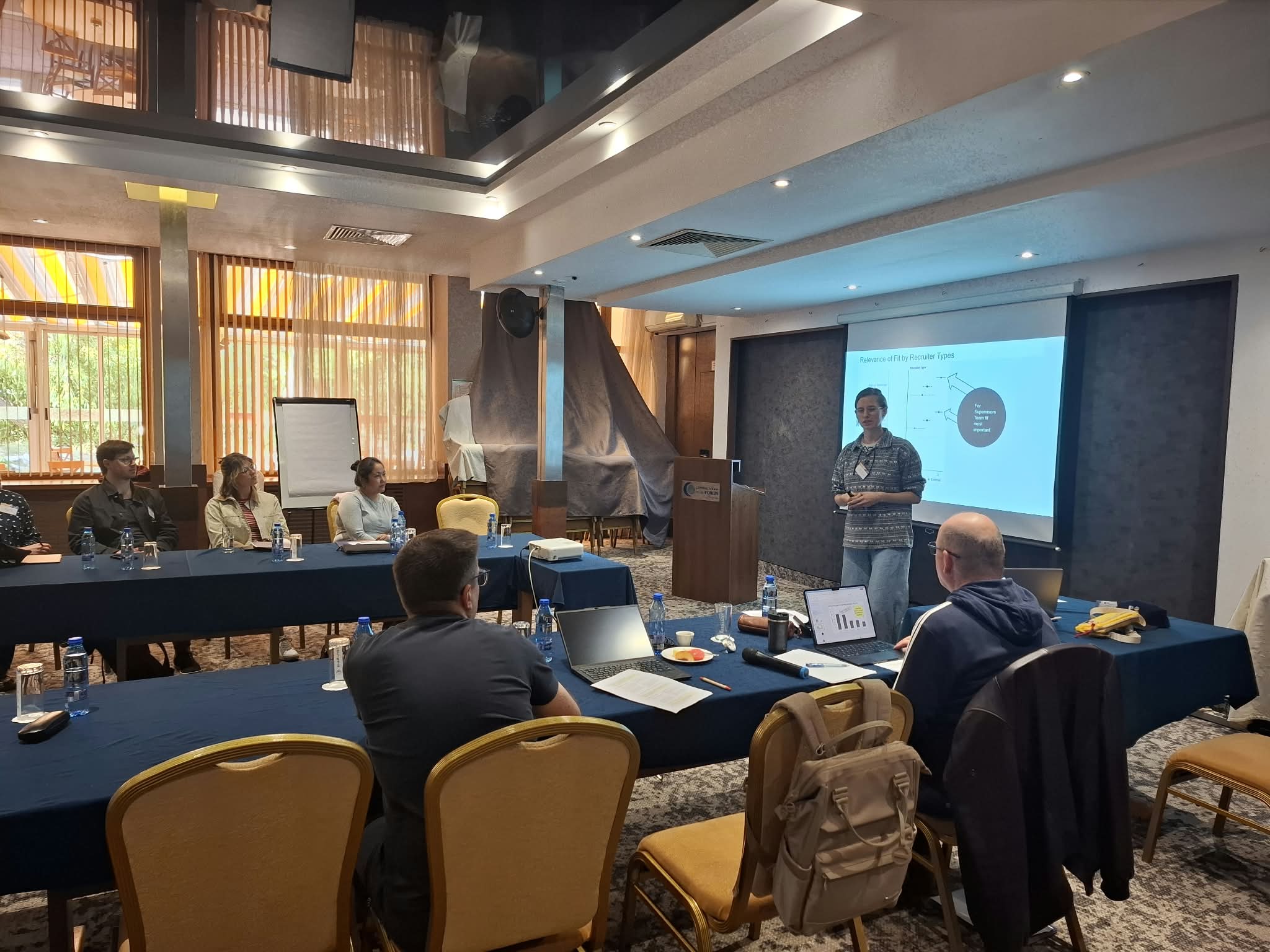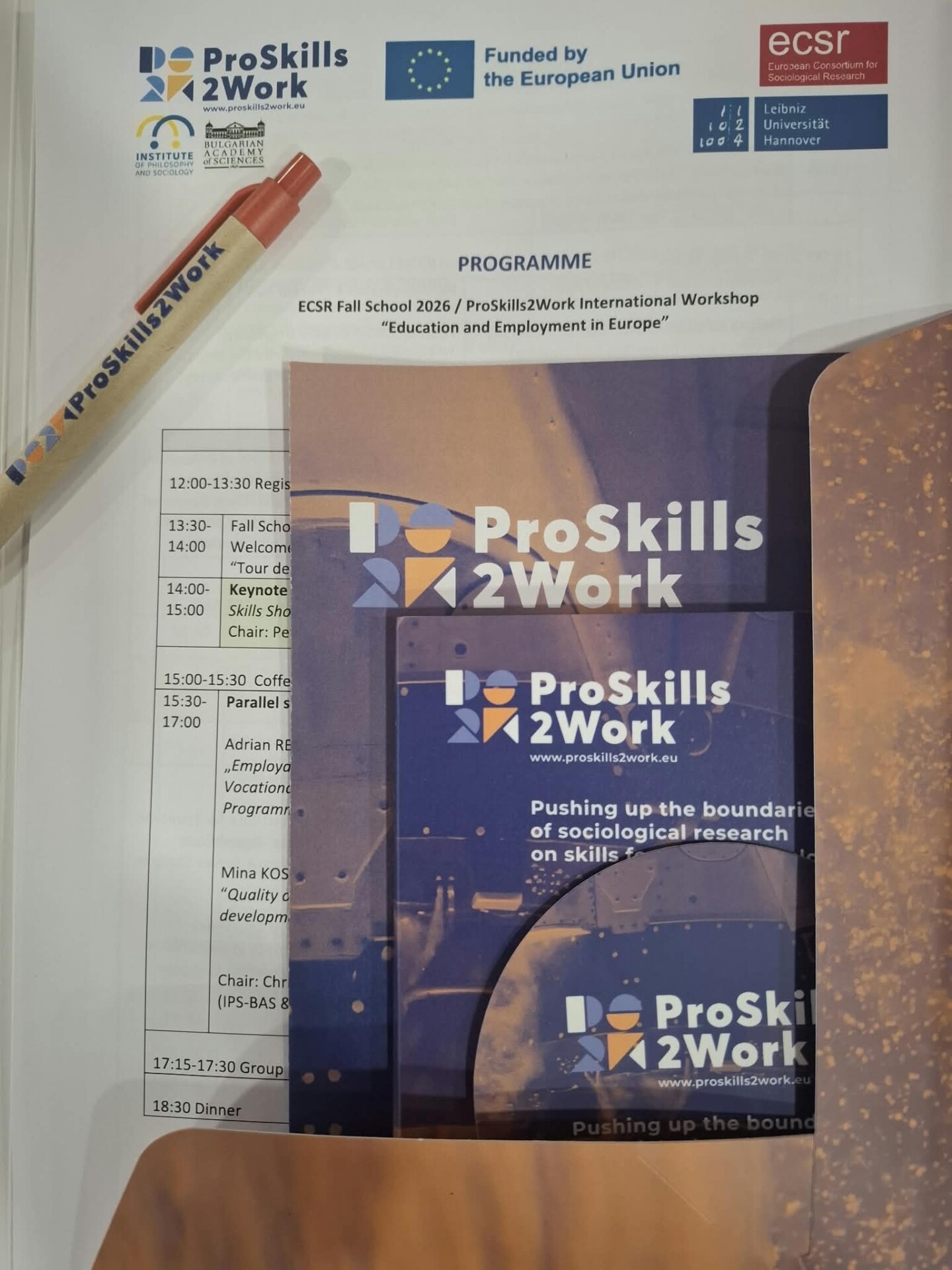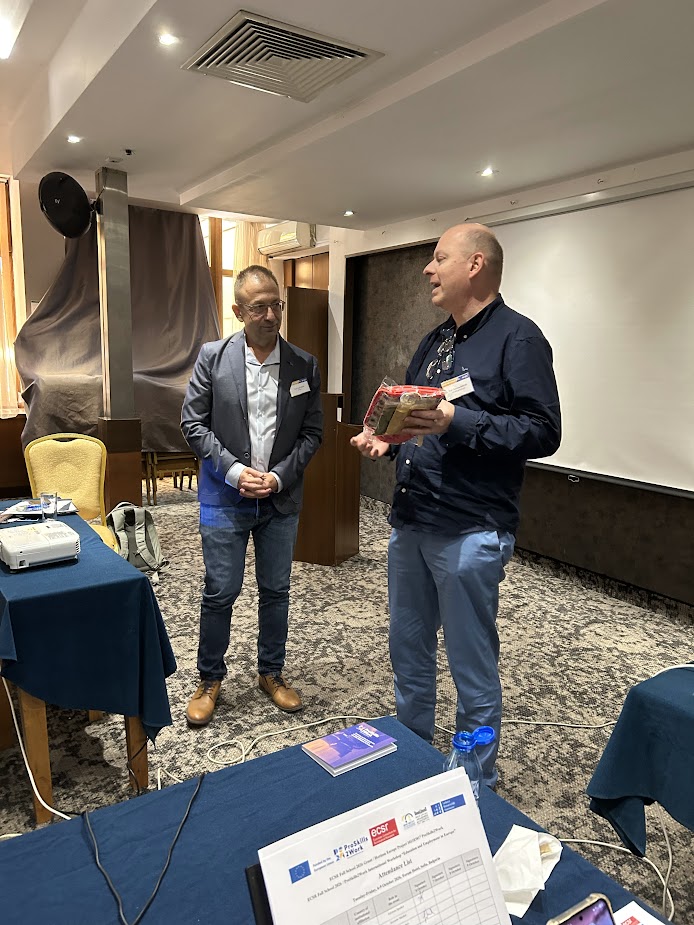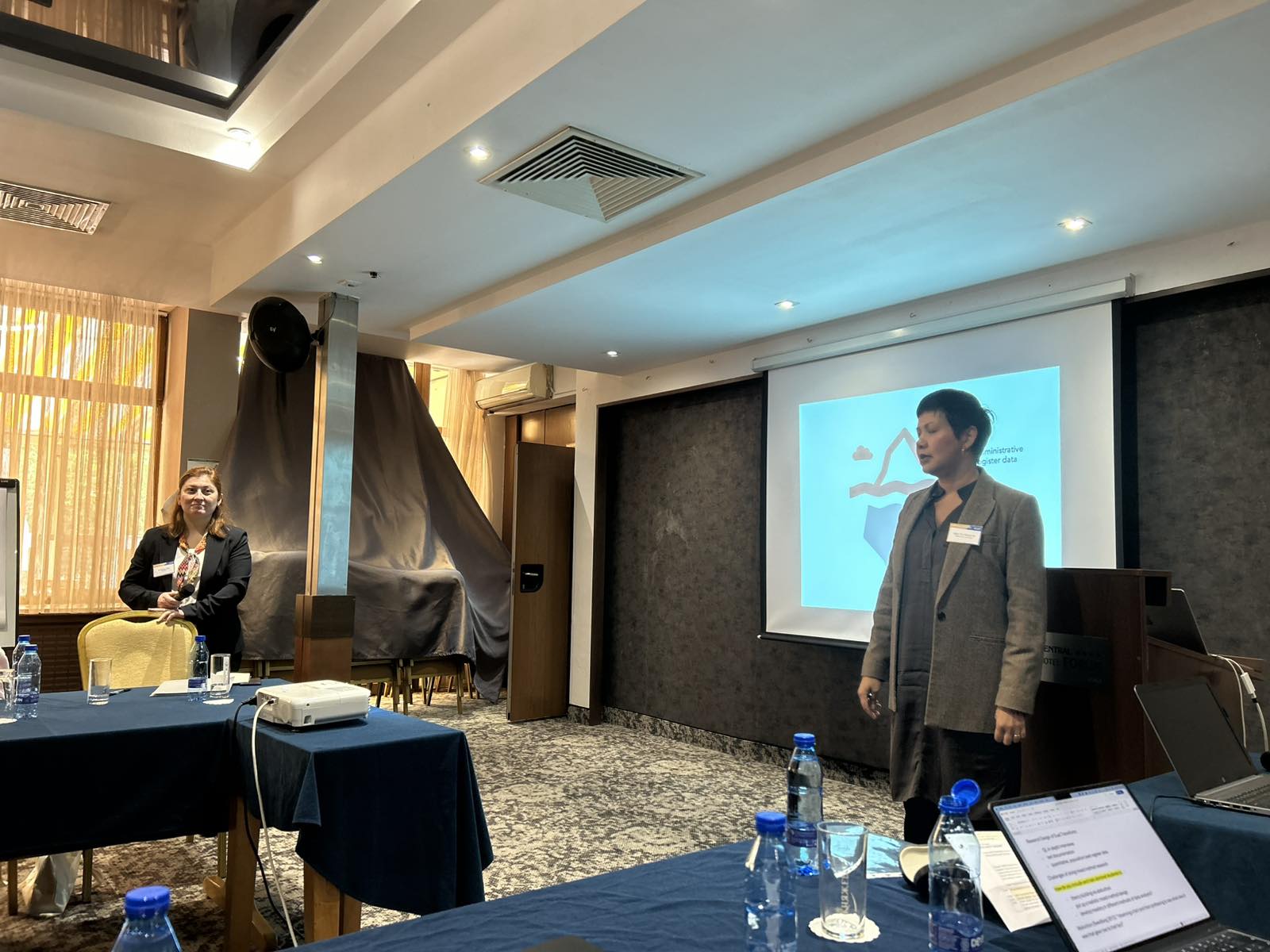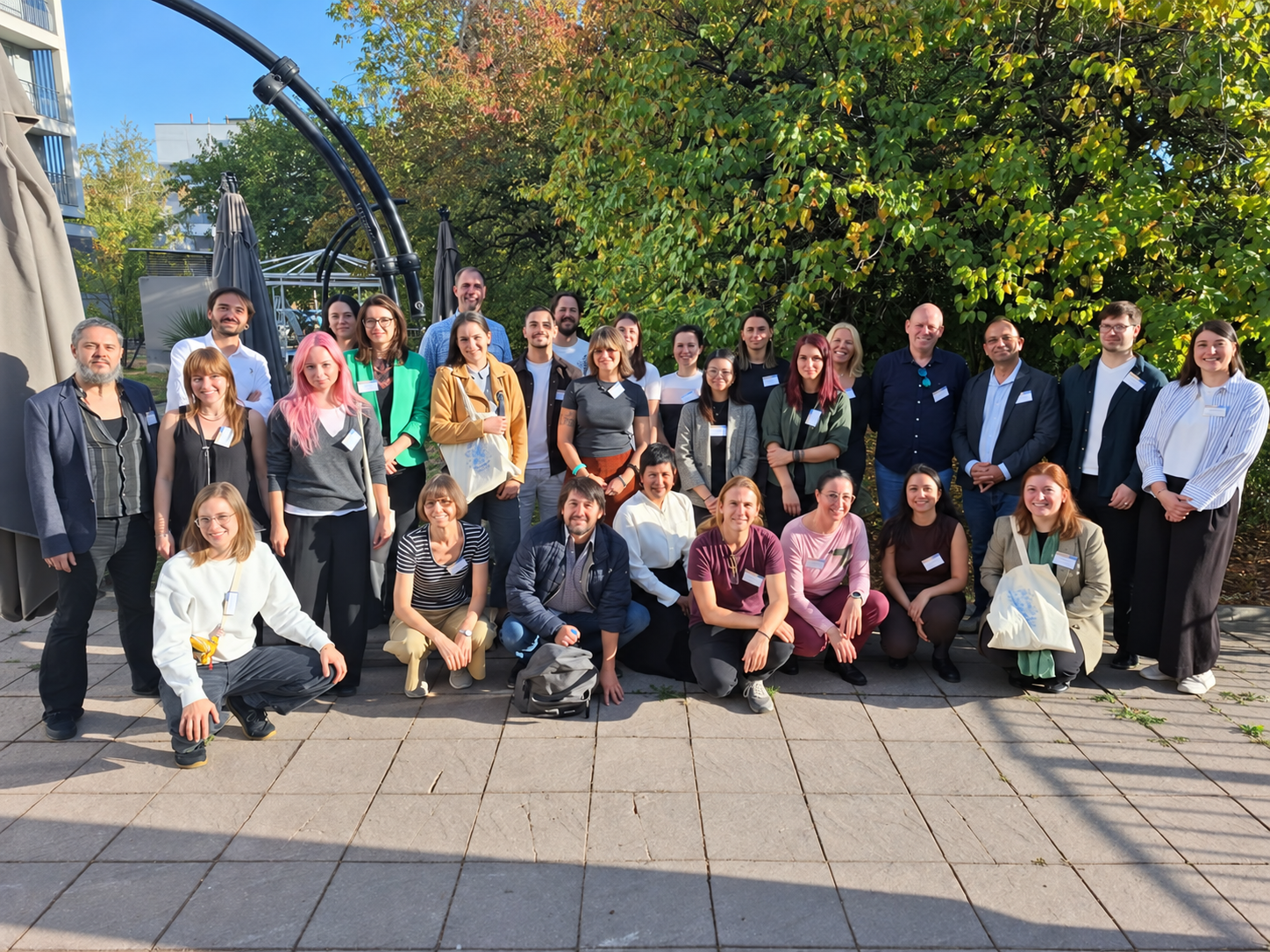
From 6 to 9 October 2026, Sofia hosts the ECSR Fall School 2026 / ProSkills2Work International Workshop “Education and Employment in Europe”. The event is organised by the ProSkills2Work project, the European Consortium for Sociological Research (ECSR), the Institute of Philosophy and Sociology at the Bulgarian Academy of Sciences (IPS-BAS), and the Institute of Sociology at Leibniz University Hannover (ISH-LUH).
Hosting the school is particularly significant for ProSkills2Work and IPS-BAS. It raises the international profile of the project and the Institute and strengthens their links with the European research community working on education, vocational skills and the labour market. The school provides opportunities to exchange research approaches, develop academic partnerships, and support doctoral students and early-career researchers.
The school’s main aim is to bring together early-career and established researchers from Central and Eastern Europe and other European countries to discuss contemporary relationships between education and employment. The format combines keynote lectures by leading scholars with presentations by early-career researchers, who receive feedback and take part in academic discussions.
The school opened on 6 October with welcoming remarks by Prof. Vassil Kirov, Project Coordinator, and Michael Gebel, representing ECSR. The first keynote lecture was delivered by Prof. Vassil Kirov (IPS-BAS) on “The Bulgarian Labour Market: Addressing Labour and Skills Shortages”. It placed the Bulgarian case at the centre of the discussion, focusing on labour and skills shortages and the challenges facing the country’s labour market.
Four studies were presented in the subsequent parallel sessions:
- Adrian Rexgren (Stockholm University) examined the employment prospects of graduates from academic and vocationally oriented translation programmes and differences in their employability.
- Mina Kostova (IPS-BAS) presented research on the quality of work and opportunities for professional development among nurses in Bulgaria.
- Alice Broggi (University of Bamberg) analysed how the interaction between gender and social origin influences transitions into second-chance education in Germany.
- Marko Lucić (University of Zagreb) focused on higher education expectations among vocational education students in Croatia and their relationship with the COVID-19 pandemic.
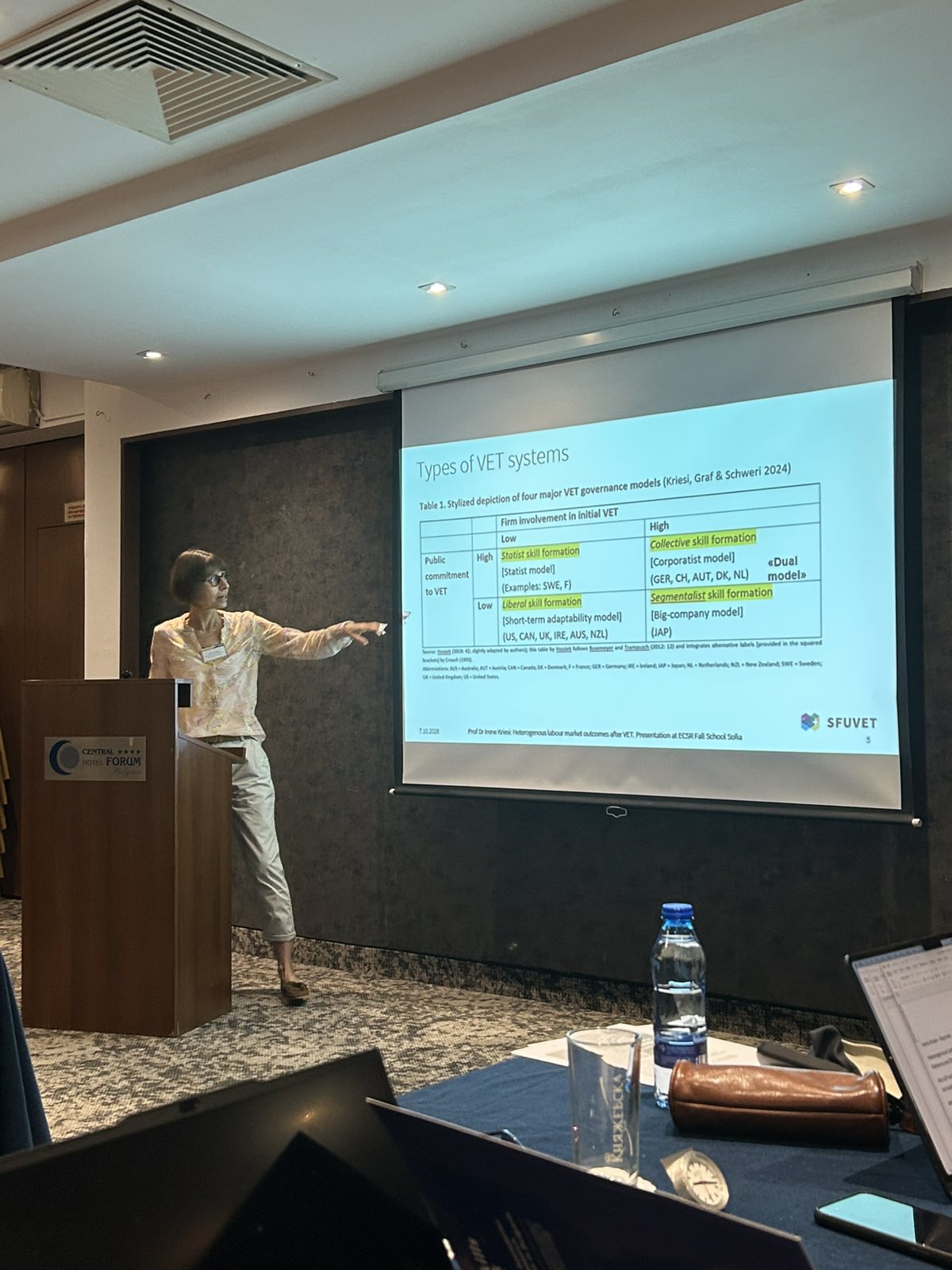
The second day began with a keynote lecture by Irene Kriesi (Swiss Federal University for Vocational Education and Training), entitled “Heterogeneous labour market outcomes after vocational education and training: patterns and structural explanations”. The lecture examined differences in labour market outcomes following vocational education and training and the structural factors behind them.
The morning parallel sessions included the following presentations:
- Helena Geisler (Swiss Federal University for Vocational Education and Training) examined how employers prioritise and justify “cultural fit” as a criterion when hiring skilled workers, drawing on a mixed-methods study.
- Nina Preslenkova (University of Ljubljana) analysed international students’ intentions to remain and work in Slovenia after graduation.
- Petar Georgiev (Sofia University) explored the relationship between education, employment and partner preferences, drawing on an online survey.
- Wiktoria Morawska (Institute of Philosophy and Sociology, Polish Academy of Sciences) presented an analysis of gendered informal rules and the “hidden curriculum” of professionalism in Poland’s academia, business and politics.
The day’s second keynote lecture was delivered by Rebecca Ye (Stockholm University) on “Researching Education to Work Transitions through Combining Methods: Elite and Emergent Pathways”. It focused on the methodological opportunities offered by combining different research methods to study education-to-work transitions, including elite and emergent pathways.
The afternoon programme on 7 October includes four further presentations:
- Annika Daven (Stockholm University) explores how working life and the demands of the workplace can become a subject of teaching and learning.
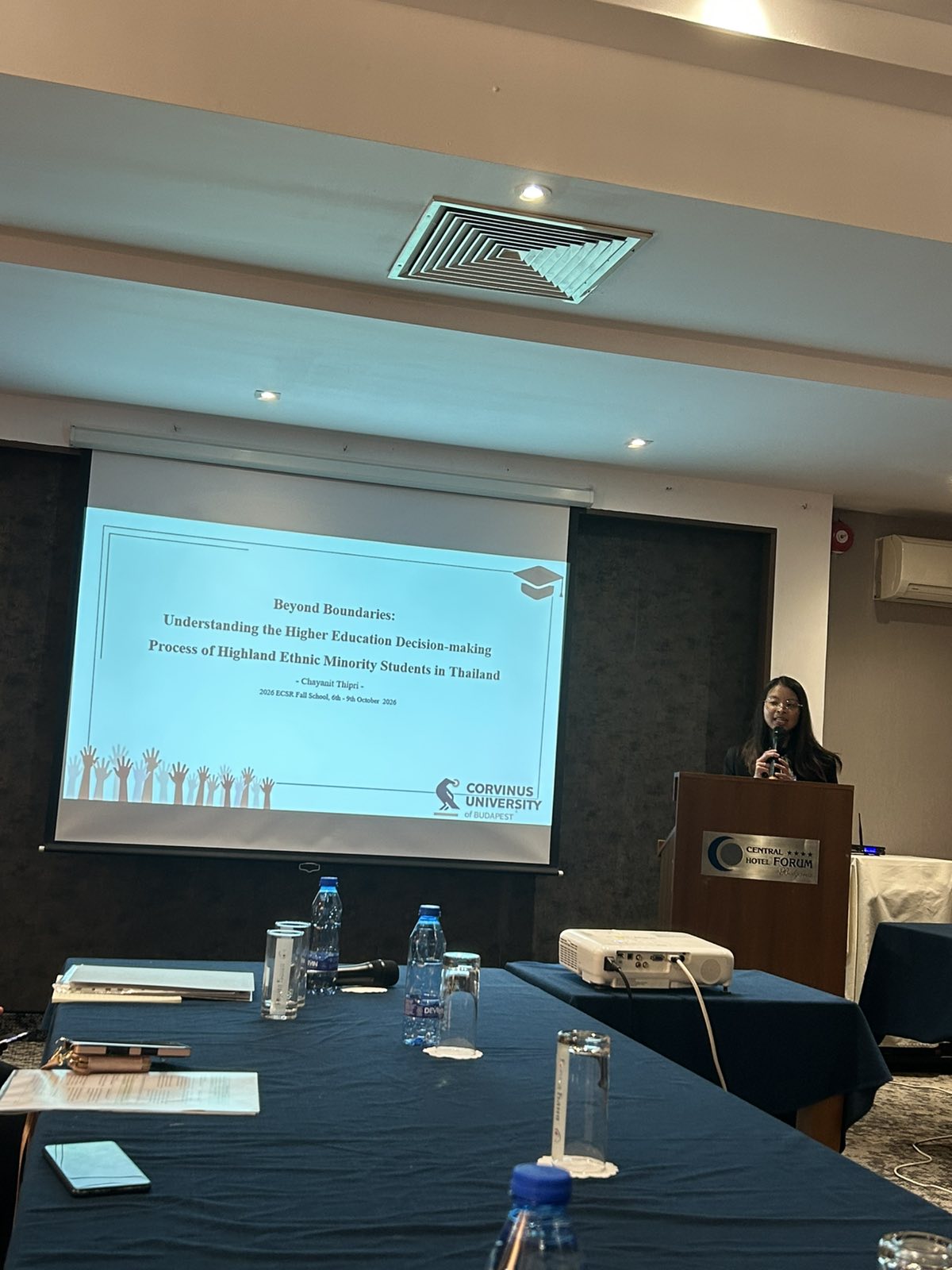
- Chayanit Thipri (Corvinus University of Budapest) analyses decision-making about entering higher education among young people from ethnic minorities in Thailand’s highland regions.
- Bianca Popa (National Institute for Economic Research, RAS) presents a study of students’ attitudes towards entrepreneurship in Sibiu, Romania.
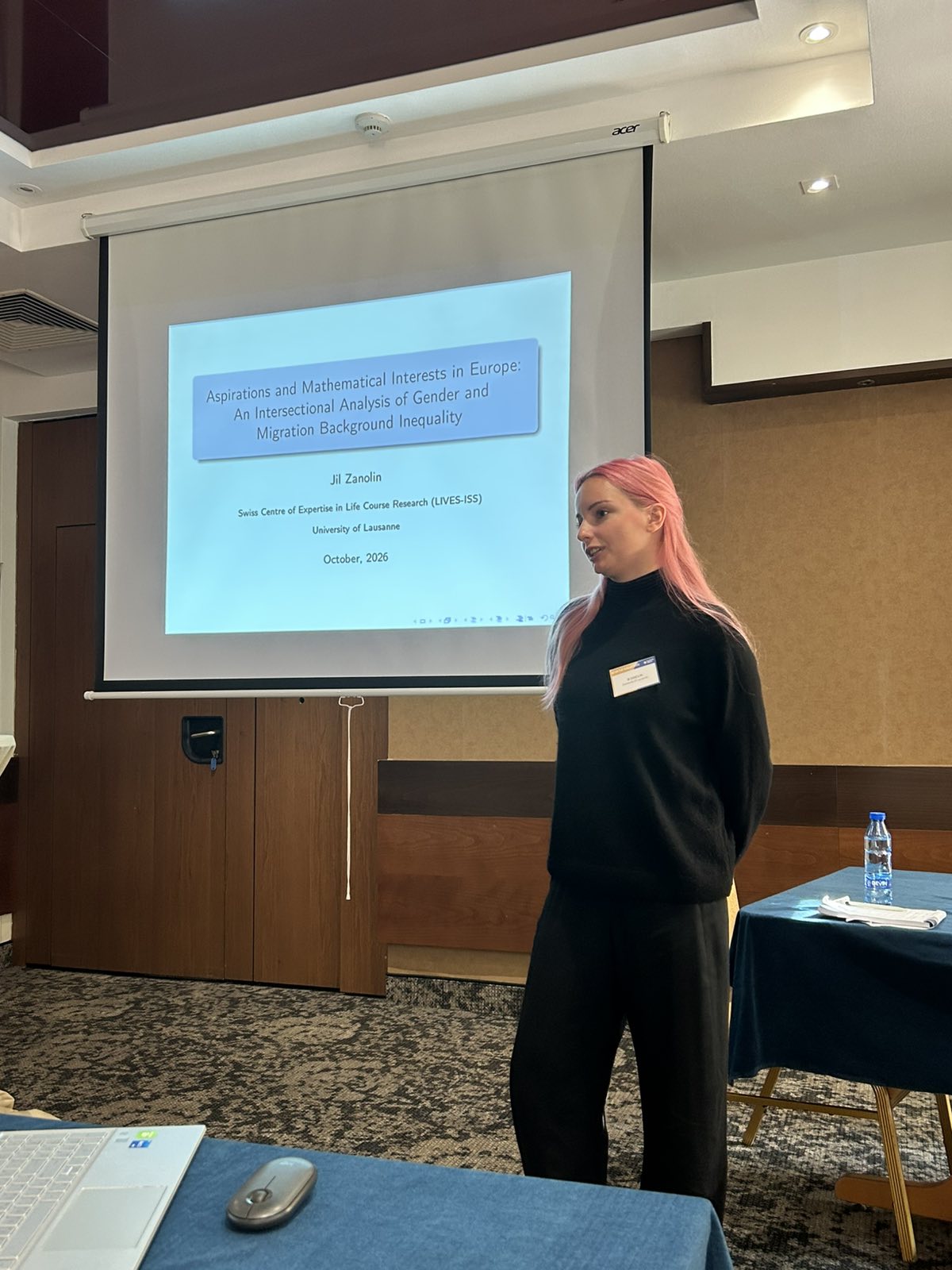
- Jil Zanolin (University of Lausanne) applies an intersectional approach to educational aspirations and interests across European countries, examining how different social characteristics intersect.
The following two days will feature keynote lectures and discussions on hiring discrimination, labour migration, the use of artificial intelligence in continuing training, inequalities and undeclared work. The programme also includes discussions of international comparisons and the selection of country cases. The final day will focus on comparative research into education-to-work transitions and on overcoming differentiation, boundary-making and segregation in European sociology.
The event is directly linked to the research priorities of ProSkills2Work. Its international scope and the involvement of leading scholars create opportunities for early-career researchers to develop their work and for IPS-BAS to expand its research partnerships.
The European Consortium for Sociological Research (ECSR) is a non-profit scientific organisation that promotes theoretically informed empirical research in sociology. The Consortium brings together more than 70 leading European academic institutions, organises conferences and schools, supports research networks, and provides development opportunities for early-career researchers. IPS-BAS is represented among its institutional members through its Social Survey Research Center. The Consortium’s official academic journal is the European Sociological Review.