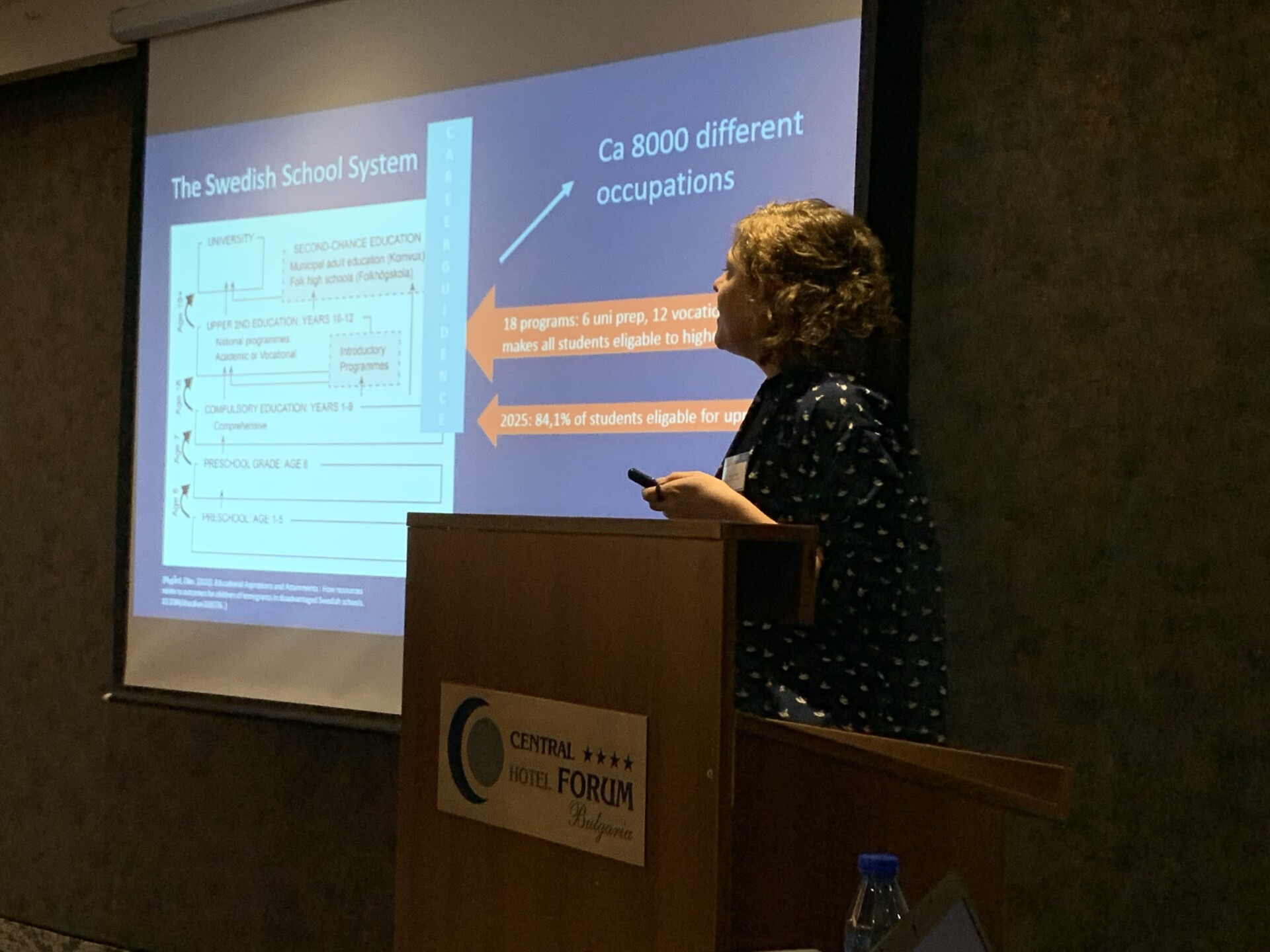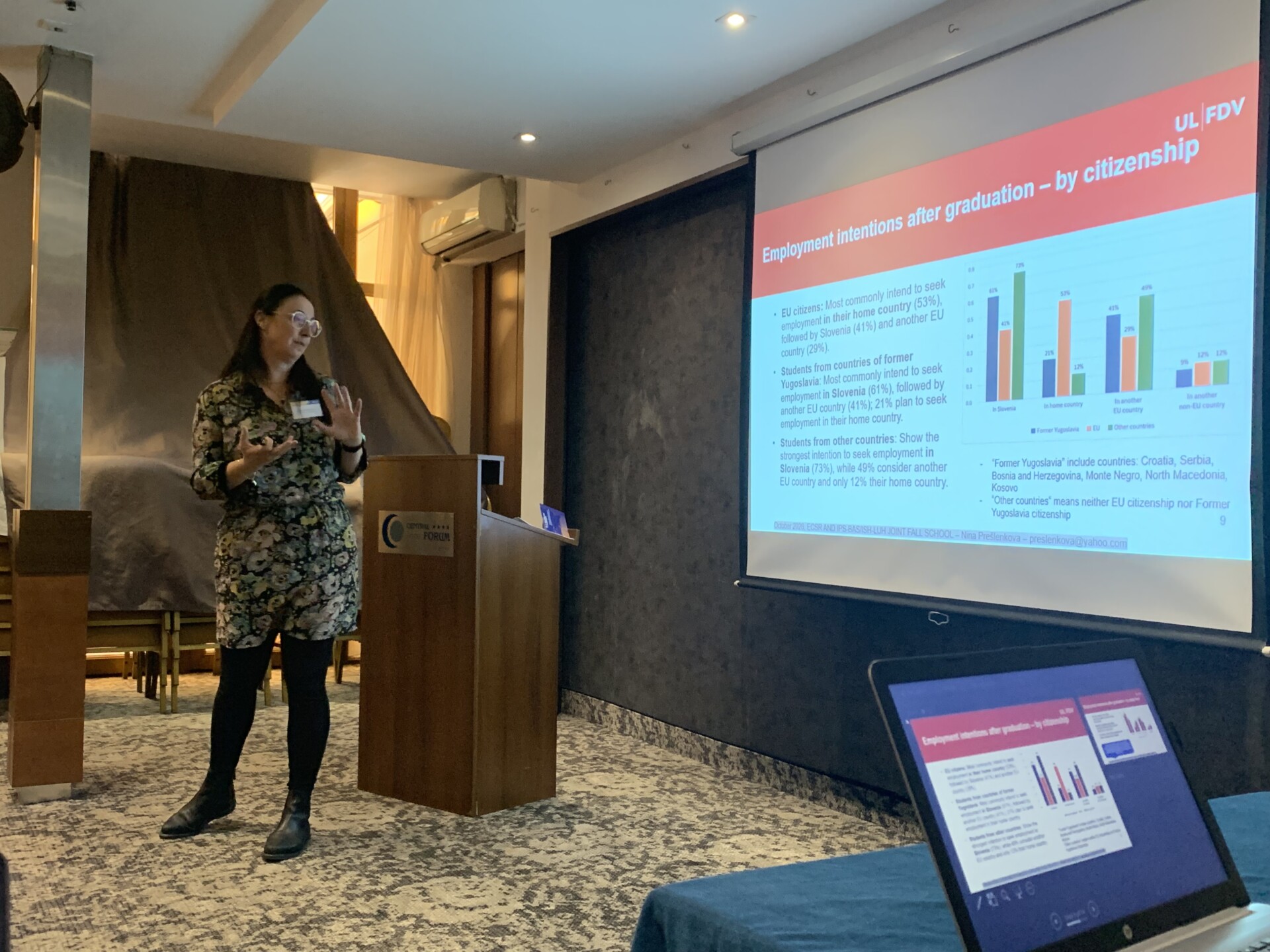
The ECSR Fall School 2026 / ProSkills2Work International Workshop “Education and Employment in Europe” concluded in Sofia on 9 October 2026. The event was jointly organised by the ProSkills2Work project, the European Consortium for Sociological Research (ECSR), the Institute of Philosophy and Sociology at the Bulgarian Academy of Sciences (IPS-BAS), and the Institute of Sociology at Leibniz University Hannover (ISH-LUH). The final two days brought together diverse research perspectives and discussions on advancing comparative European research on education, employment and education-to-work transitions.
Exploring Sofia and Connecting Beyond the Sessions
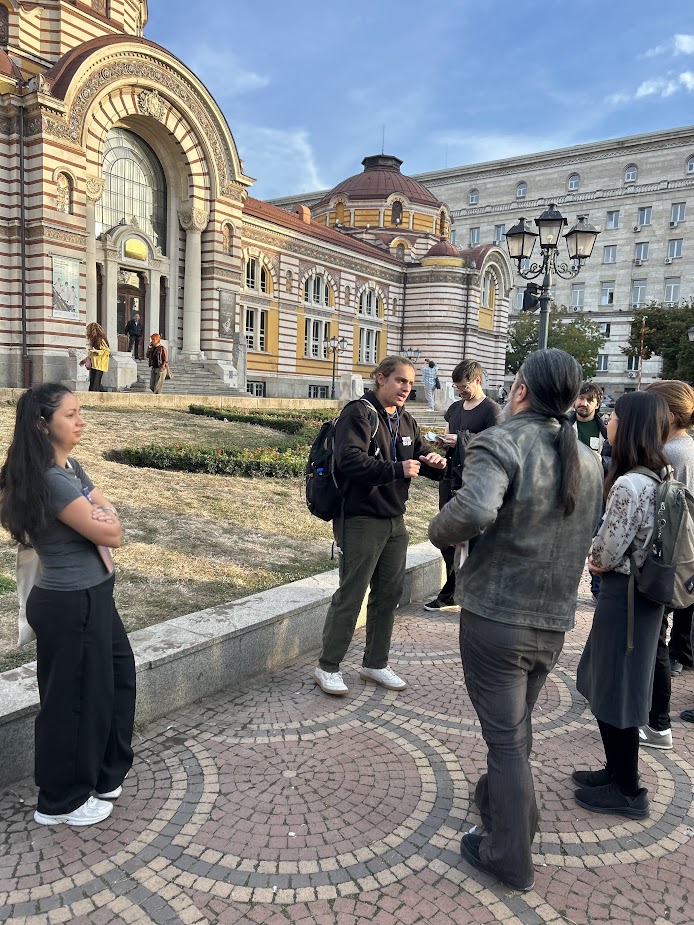
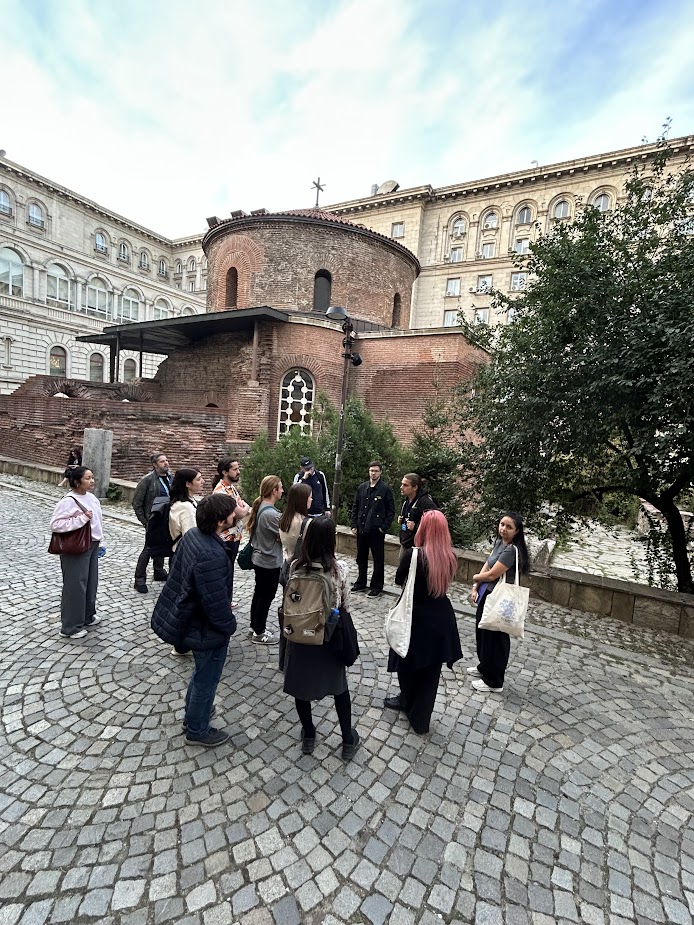
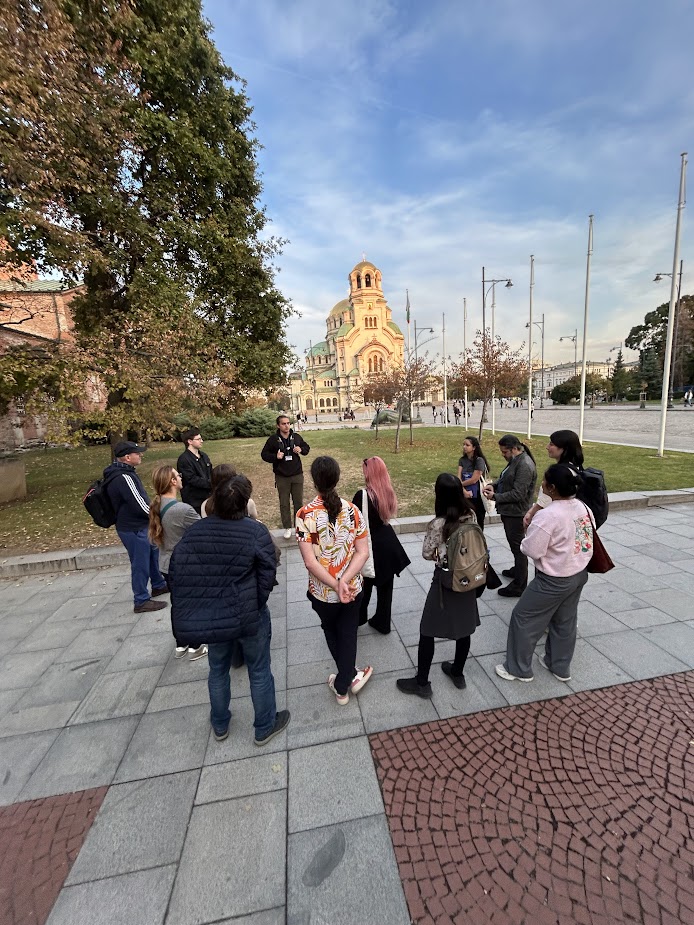
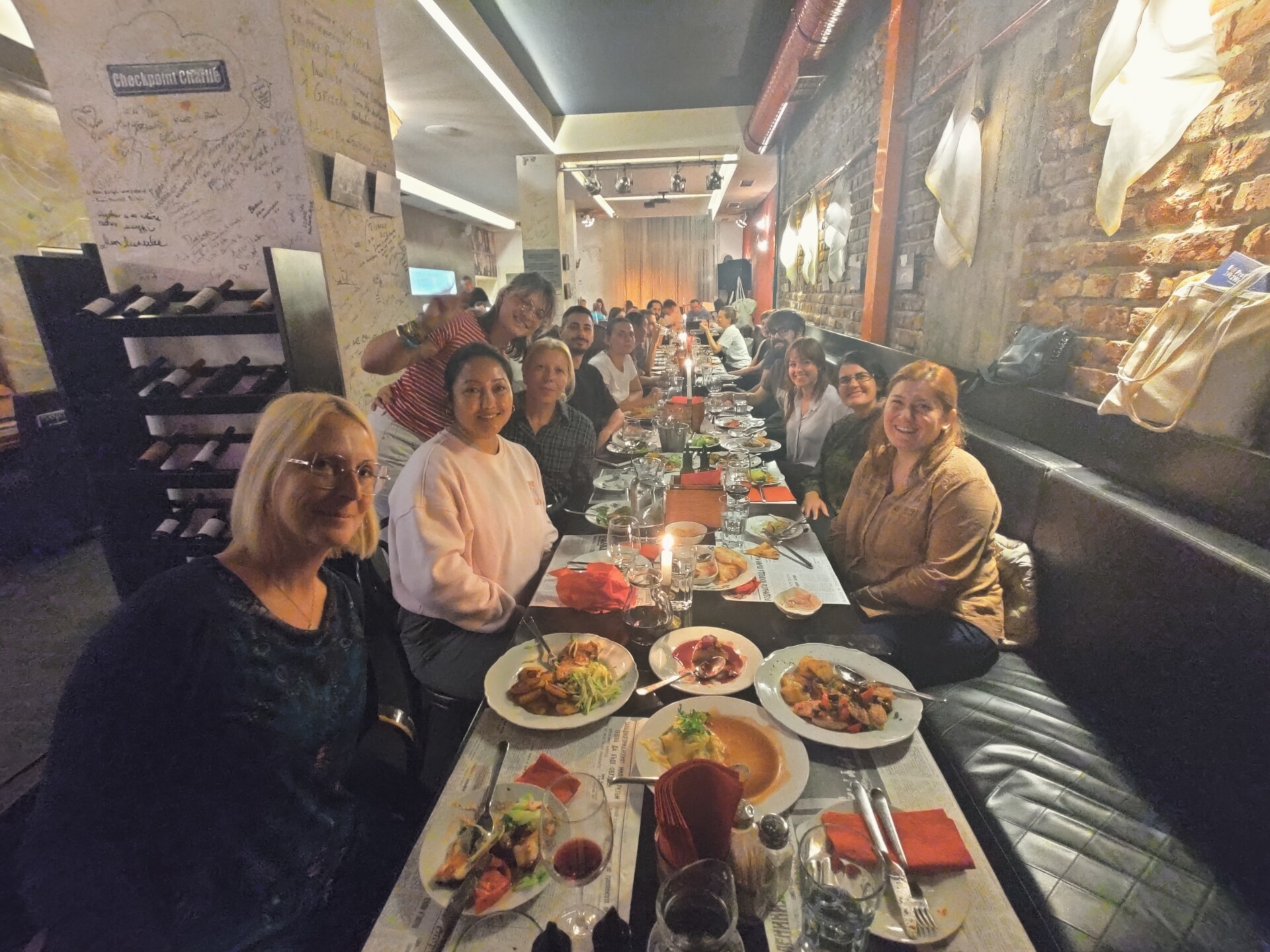
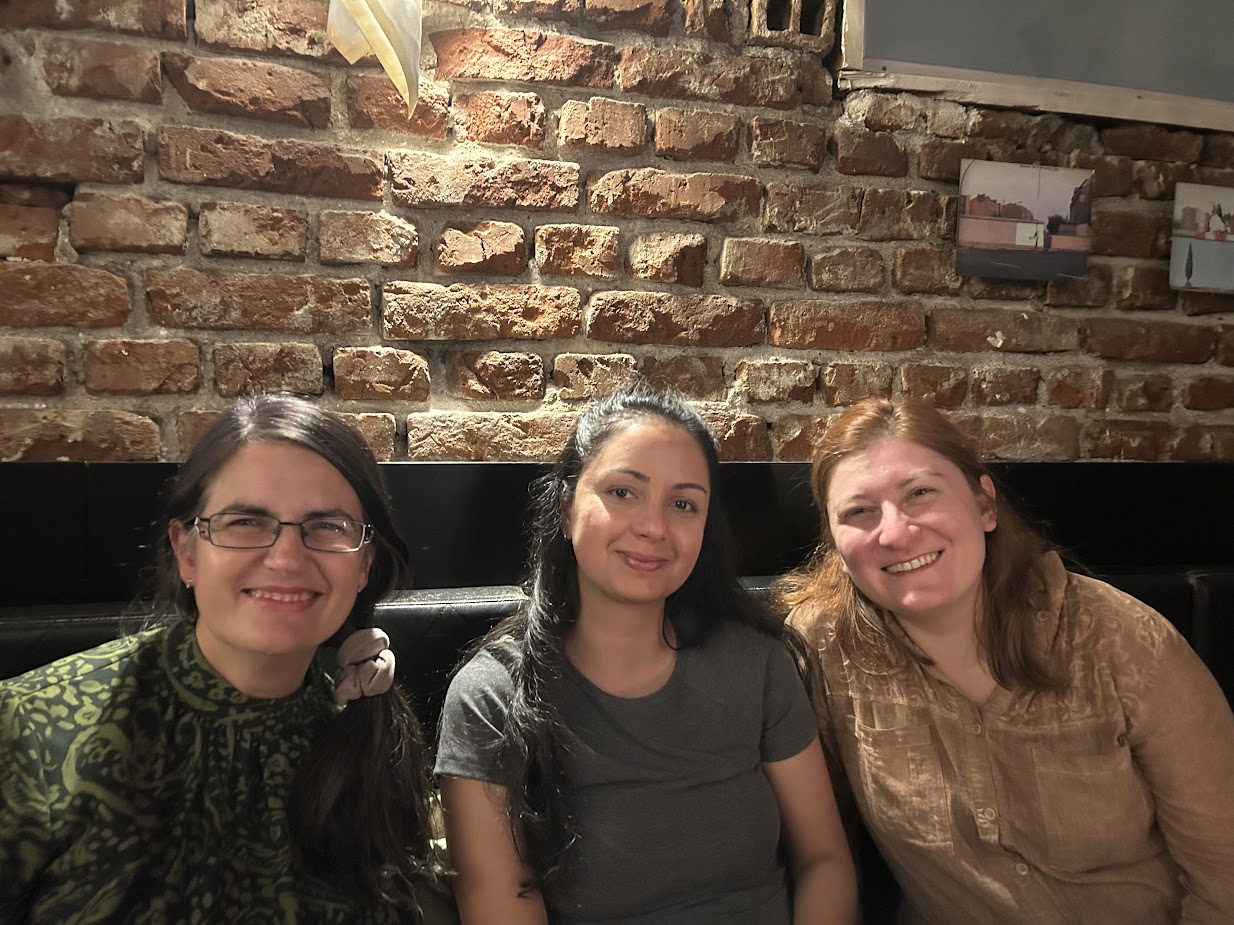
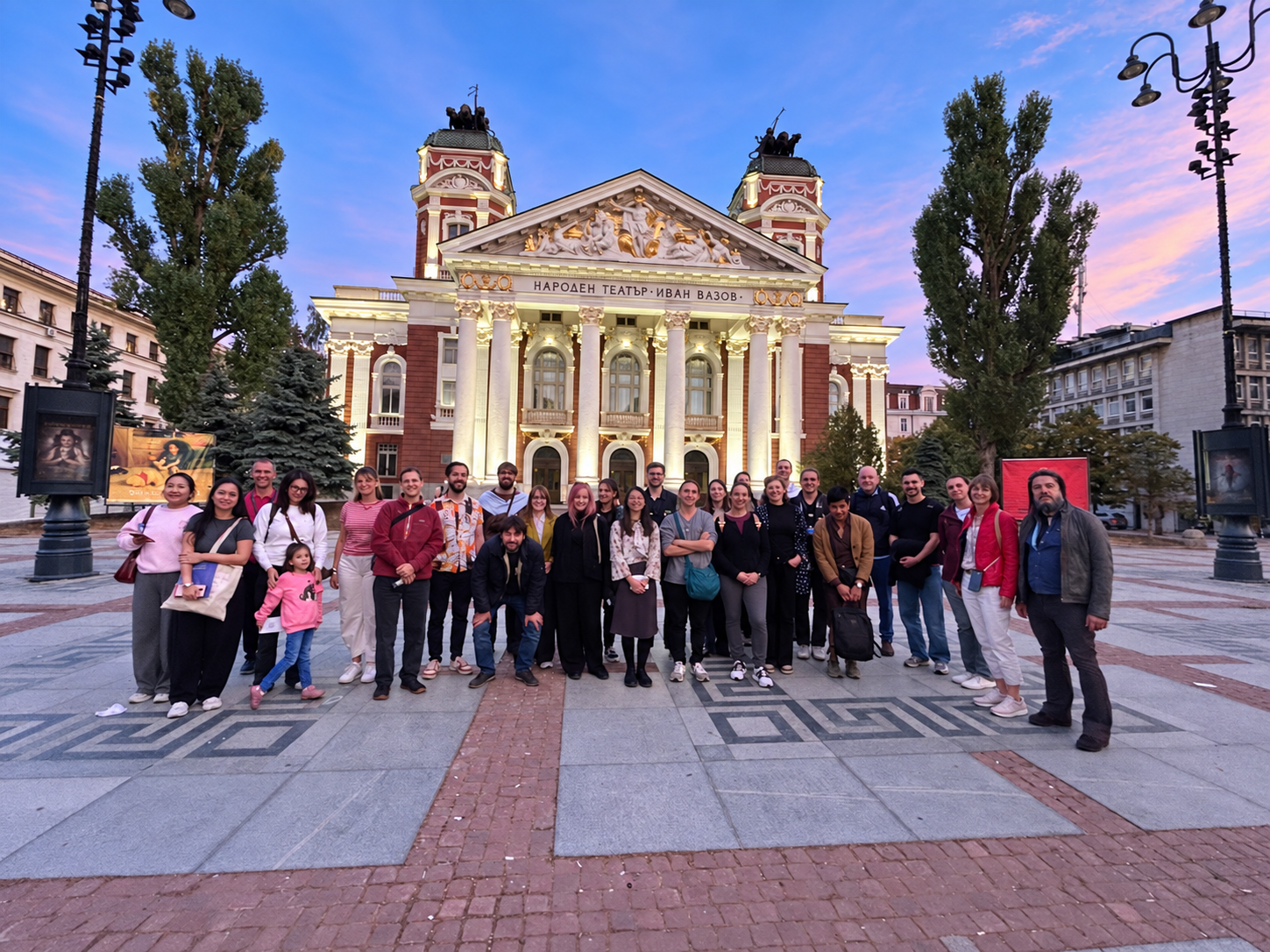
On 7 October, the academic programme was complemented by a walking tour of Sofia, led by Dayana Edens. Participants explored the capital’s history and cultural heritage, visiting landmarks including the Central Mineral Baths, the Church of St George Rotunda, the area around Alexander Nevsky Cathedral, and the Ivan Vazov National Theatre. The tour and the group dinner that followed provided opportunities for informal conversations and for researchers from different countries to get to know one another.
8 October — Discrimination, Inequalities and Labour Market Change
The third day opened with a keynote lecture by Dominik Buttler (Poznan University of Economics and Business), entitled “Organisational Determinants of Discrimination in Hiring: Key Survey Results and Practical Considerations”. He examined the organisational factors influencing hiring discrimination, presenting survey findings and practical considerations for studying these processes.
The morning parallel sessions featured four presentations:
- Nick Wessel and Shirin Reiter (Leibniz University Hannover and DZHW) presented a mixed-methods study of company measures and immigrant hiring in Germany. They examined how language training and other company-based training initiatives contribute to building a more diverse workforce.
- Ekaterina Zhivkova (Sofia University) analysed labour immigration and labour shortages in Bulgaria, focusing on structural trends in the labour market.
- Nadejda Miteva-Voinschi (IPS-BAS) examined the role of accessible digital career services in narrowing the employment gap between people with and without disabilities across EU Member States.
- Myriam Baum (Federal Institute for Vocational Education and Training) explored the role of artificial intelligence in inequalities in continuing training.
The day’s second keynote lecture was delivered by Ioanna Alexandra Horodnic (Alexandru Ioan Cuza University of Iași) on “Not just the vulnerable: theory and evidence on undeclared work across the full range of skills”. She explored different theoretical approaches to the informal economy and presented research findings on undeclared work among people with different skill levels.
The afternoon parallel sessions continued with four further contributions:
- Daniela Dimova (IPS-BAS) presented a synthesis of theoretical perspectives on human capital and its role in regional development.
- Enrico Pittalis (Scuola Normale Superiore) explored relationships between capital, labour and solidarity in creative and knowledge-based spaces.
- Stefano Pagliarani (Educational Research Institute) examined student creativity and the role of institutions, drawing on evidence from post-communist countries and EU Member States.
- Ömer Sahin (Universitat Pompeu Fabra) discussed rapid university expansion and over-education, focusing on their unequal consequences in Turkey.
The day concluded with a special session on international comparisons and the justification of country case selection, chaired by Prof. Christian Imdorf (IPS-BAS and ISH-LUH). Working in small groups, participants exchanged perspectives, discussed opportunities for comparative research, and explored how to strengthen the rationale for selecting particular countries and account for their contexts.
9 October — Comparative Perspectives and Future Collaboration
The final day opened with a keynote lecture by Michael Gebel (University of Bamberg), entitled “Expanding Horizons in European Comparative Research on Education-to-Work Transitions”. It highlighted the importance of broadening comparative perspectives in research on the transition from education to work. The programme also included a concluding panel discussion on overcoming differentiation, boundary-making and segregation in European sociology, chaired by Prof. Christian Imdorf.
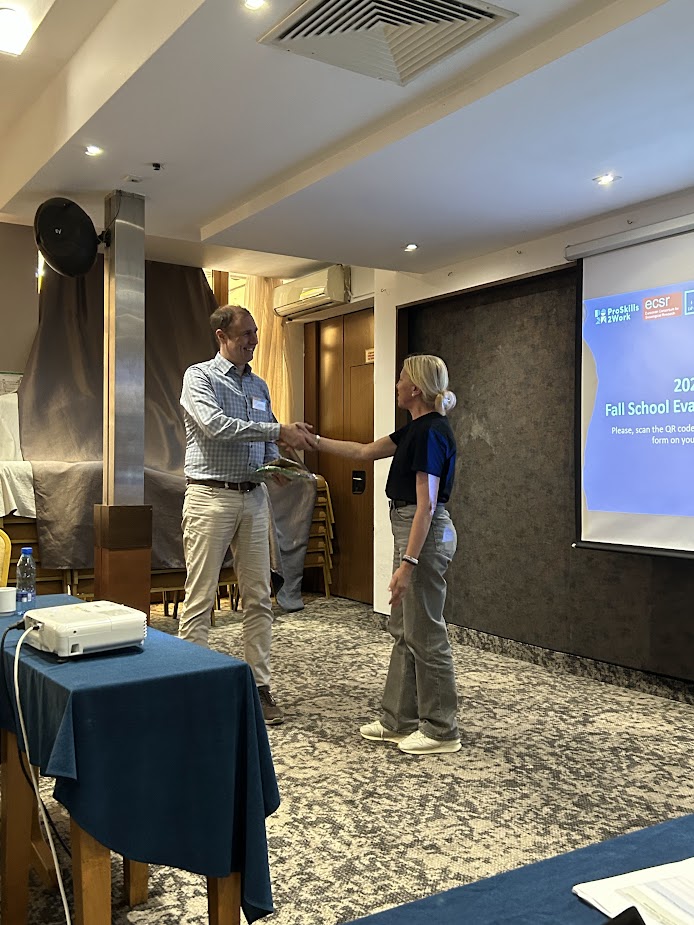
The school was officially closed by Prof. Rumiana Zheleva (IPS-BAS) and Michael Gebel (ECSR). On behalf of the local organisers and the ProSkills2Work project, Prof. Zheleva thanked the co-organisers from ECSR and the Institute of Sociology at Leibniz University Hannover, as well as all keynote speakers, presenters and session chairs, for their contributions and active participation.
Michael Gebel outlined the opportunities ECSR offers to individual researchers and academic institutions, including grants, schools and the Consortium’s annual conference. He encouraged participants to follow these initiatives and take advantage of them to develop their research and international partnerships.
High Participant Satisfaction
The feedback indicates very high satisfaction with the Fall School, with particularly positive assessments of the keynote lectures, organisation and balanced combination of lectures and participant presentations. Among the main strengths highlighted were the diversity of topics, research methods and national perspectives, as well as the active involvement of senior scholars in discussions. Participants emphasised the friendly academic atmosphere, opportunities to exchange ideas, and the development of international contacts and prospects for future research partnerships.
The four-day school contributed to knowledge exchange and strengthened connections between early-career and established researchers from different European countries. For ProSkills2Work and IPS-BAS, the event represents an important step in developing international research collaboration and supporting the next generation of researchers working on education and employment.